Subscription News
Trends | Data | Insights | Solutions | Tech


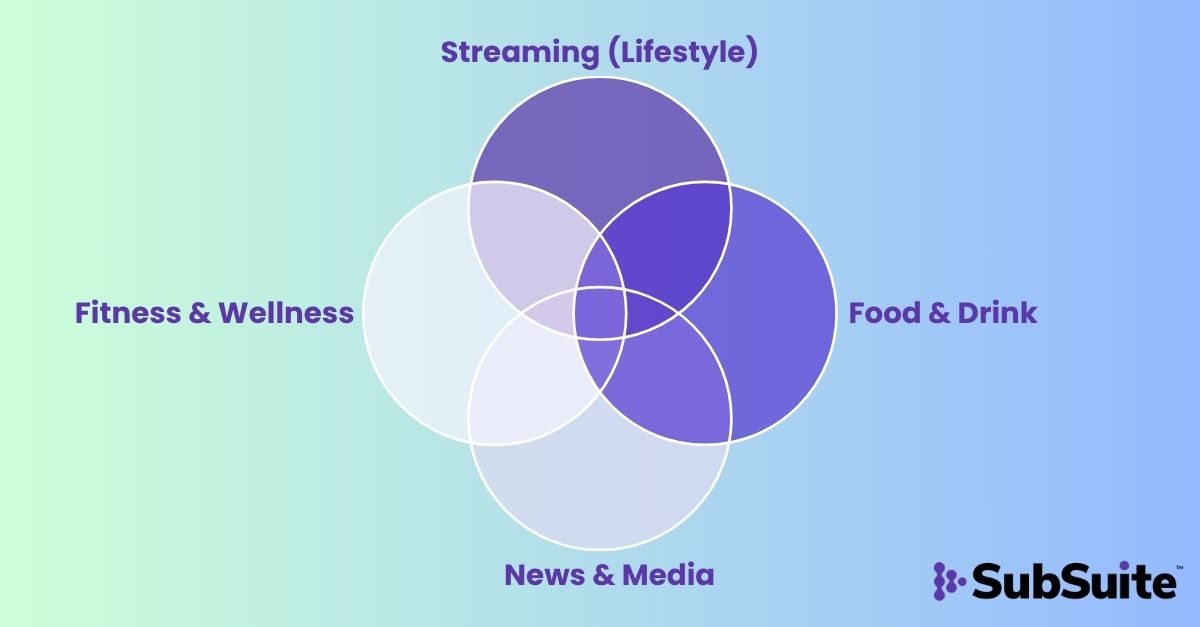
In today’s subscription economy, consumers are inundated with options.

With rising customer acquisition costs and shrinking marketing budgets, subscription brands are under increasing pressure to do more with less.

The old playbook of going it alone is becoming less effective.

Most brands compete to be the one in their category — the only streaming service, wellness app, or news source a user needs.

How top subscription brands are shifting budget and strategy toward long-term customer value—and what your team can do this quarter.

U.S. Subscription Trends and Marketing Insights for 2025 (January - April).

Subscriber growth used to be straightforward: run paid ads, drive traffic, optimize conversion, repeat.

Let’s face it—when brands hear “partnerships,” they think of long sales cycles, custom integrations, messy co-marketing efforts...

Brands are often told to stand out, out-market, and out-spend the competition to win subscribers....

When companies think about influencer marketing, their minds often jump to social media stars, celebrities, or niche content creators.

What makes The New York Times’ model so effective, and how can other publishers follow suit?

In the fast-moving world of subscription businesses, standing still isn’t just unproductive—it’s a guaranteed way to fall behind.


